Shadow Dungeon Crafting Guide: Reroll and Enhance Safely
Choose the right blacksmith section, align triggered-skill damage, enhance base stats, and protect rare Greater Rift materials.
Direct answer
Fix the item's functional mismatch before raising its numbers. Reroll the displayed damage family or triggered-skill damage type first, verify both sections, and enhance base stats only when the item already has a durable role in your build.
Quick answer
- Reroll the weapon damage section when the item's own damage family is wrong.
- Reroll the triggered-skill section when only the granted proc uses the wrong damage type.
- Enhance base stats after both functional sections fit the build.
- Reserve scarce Greater Rift materials for equipment you expect to keep.
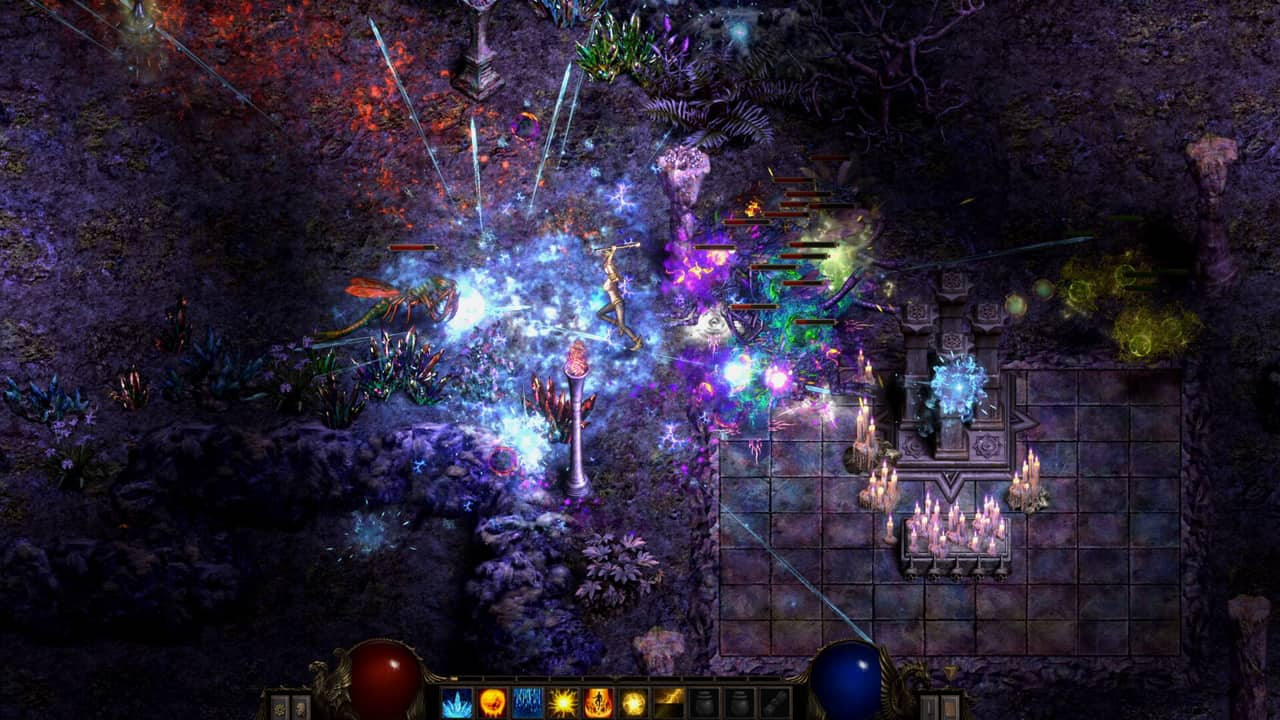
Crafting Decision at a Glance
Crafting becomes efficient when the item's job is settled before its numbers are polished. Use the first row that describes the current mismatch, then stop and verify the preview before spending again.
| Item state | First action | Completion check |
|---|---|---|
| The weapon's displayed elemental or physical family conflicts with the build | Reroll the item damage section | The displayed damage family matches the intended build direction |
| The weapon fits, but its triggered skill uses the wrong damage type | Reroll the triggered-skill section | The proc line shows the intended damage type |
| Both functional sections fit | Use enhancement on the base-stat layer | The base value rises without changing the chosen role |
| The item is likely to be replaced soon | Stop after ordinary corrections | Scarce materials remain available for a longer-term piece |
Check the Item Before You Spend
Shadow Dungeon supports reforging, enchanting, and enhancement at launch. The item pool is highly variable, with more than 3,200 base templates, over 100 million semi-random combinations, and additional skills on more than half of equipment. That makes the item's role more important than one attractive number.
Before opening an upgrade action, answer three questions:
- Does the base template already fit the slot and combat job you need?
- Does its additional or triggered skill support the build you are actually playing?
- Would a normal campaign replacement make the planned cost feel wasted?
If the first two answers are unclear, keep comparing drops. If both are clear and the piece fills a durable role, move to the functional rerolls.
Choose the First Reroll
The blacksmith layout observed in the demo separates the item's displayed damage family from the damage type used by a weapon-triggered skill. Change the layer that is blocking the build.
| Symptom | Section to inspect first | Why |
|---|---|---|
| The weapon itself deals an unwanted elemental or physical family | Item damage section | This layer controls the displayed damage family in the observed interface |
| The weapon is correct, but its granted proc is mismatched | Triggered-skill section | The proc damage type is handled separately in the observed interface |
| Both lines are correct and only the base value is weak | Enhancement | Functional rerolls are already complete |
Do not reroll both sections automatically. A correct proc can be preserved while the weapon family changes, and a correct weapon family can be preserved while only the proc changes.
Reroll and Enhance in Order
- Define the item's job in one sentence, including its desired damage family and the triggered skill it must support.
- Record the current item damage family, triggered-skill damage type, and base stat before spending.
- Reroll the item damage section only when the weapon's displayed family conflicts with that job.
- Reroll the triggered-skill section only when the granted proc uses the wrong damage type.
- Compare both functional lines with the recorded state and stop if the intended role is now complete.
- Use enhancement on the base-stat layer only after the damage family and proc are aligned.
Shadow Dungeon Demo Blacksmith Walkthrough
This English demo video shows the historical blacksmith sections used for item damage, triggered-skill damage, and base-stat enhancement. Confirm current labels and costs in the launch interface before spending.
Progress Checks After Each Action
| Action | Expected state | Observable result | Stop condition |
|---|---|---|---|
| Item damage reroll | The item's displayed family is the active target | The elemental or physical family changes in the item text | Stop when that family fits the build |
| Triggered-skill reroll | The granted proc is the active target | The proc line changes while the item's main role remains intact | Stop when the proc matches the intended damage type |
| Base-stat enhancement | Both functional sections are already acceptable | The item's base-stat layer increases | Stop when the next cost exceeds the value of keeping the piece |
Read the item after every action. A successful craft has a visible text change in the intended layer, so another click should never be the first troubleshooting step.
When Rare Materials Are Worth It
Greater Rifts can award Socketing Stones, enhancement stones, Essence Stones, Permanent Magic Stones, Golden Hammers, and Divine Mirrors. Treat those named rewards as late equipment-improvement resources and preserve them until an item passes this decision table.
| Decision factor | Spend more | Save the material |
|---|---|---|
| Base template | It fills a slot and role the build needs | The template is a temporary compromise |
| Skill interaction | The additional or triggered skill supports the build | The granted skill is incidental or mismatched |
| Functional sections | Damage family and proc are already aligned | Either section still needs uncertain rerolls |
| Replacement risk | A random replacement is unlikely to fill the role immediately | The next campaign tier can replace the piece cheaply |
Ordinary rerolls make more sense on temporary equipment. Rare material investment becomes reasonable when the item has a strong base, a useful skill interaction, and a role you expect to keep through later progression.
If the Blacksmith Result Looks Wrong
| Current symptom | Likely cause | Smallest next check |
|---|---|---|
| The weapon family changed, but the proc did not | The item damage section was changed | Inspect the separate triggered-skill section without spending yet |
| The proc changed, but the weapon family did not | The triggered-skill section was changed | Recheck the item damage section and compare its preview |
| Functional lines look correct, but the base value is unchanged | No base-stat enhancement has been applied | Open enhancement and inspect its preview and cost |
| Labels or section positions differ from the video | The shown interface came from the demo | Follow the current launch preview and description rather than the historical position |
| The next cost feels too high for the result | The item may still be replaceable | Pause investment and compare fresh drops before consuming a rare resource |
The recovery rule is simple: identify which item layer changed, compare it with the recorded starting state, and spend again only when the next action has a defined result.
When to Use a Different Route
Keep farming and comparing drops when the base template or granted skill is wrong. Use ordinary rerolls when the item is serviceable but temporary. Save deeper enhancement and Greater Rift materials for a piece whose base, skill interaction, and functional damage sections already work together.
This route accepts that the item system produces enormous variation. Crafting can refine a strong identity, while repeated spending cannot turn every random combination into the right long-term item.
Launch Facts and Demo Boundaries
| Topic | Confirmed scope | Safe interpretation |
|---|---|---|
| Reforging, enchanting, and enhancement | Confirmed for the Steam launch release | These systems are available, though exact labels and costs should be read in the current interface |
| Greater Rift improvement materials | Confirmed for the launch release | The named stones, hammers, and mirrors belong to late equipment progression |
| Separate damage-family reroll | Observed in the demo blacksmith | Verify the current section name and preview before spending |
| Separate triggered-skill damage reroll | Observed in the demo blacksmith | Confirm that the current preview targets the proc rather than the weapon's main family |
| Base-stat enhancement sequence | Observed in demo gameplay | Apply the functional-first order while following the current launch cost and result text |
Was this helpful?
Continue reading
These related Shadow Dungeon pages answer the next questions around this topic.