Shadow Dungeon Loot Guide: Keep, Store, Sell, or Salvage
Compare Shadow Dungeon drops by base, affixes, granted skills, sets, and sockets, then route each item to storage, sale, or salvage.
Direct answer
Compare the base first, then affixes, granted or triggered skills, set effects, and socket potential. Store uncertain build pieces, sell useful surplus, and salvage clear misses.
Quick answer
- A skill-changing effect can outweigh a small raw-stat gain.
- Check socket potential only after the base and effects fit.
- Use unlimited warehouse pages for uncertain build pieces.
- Treasure Sprites can turn unwanted equipment into gold.
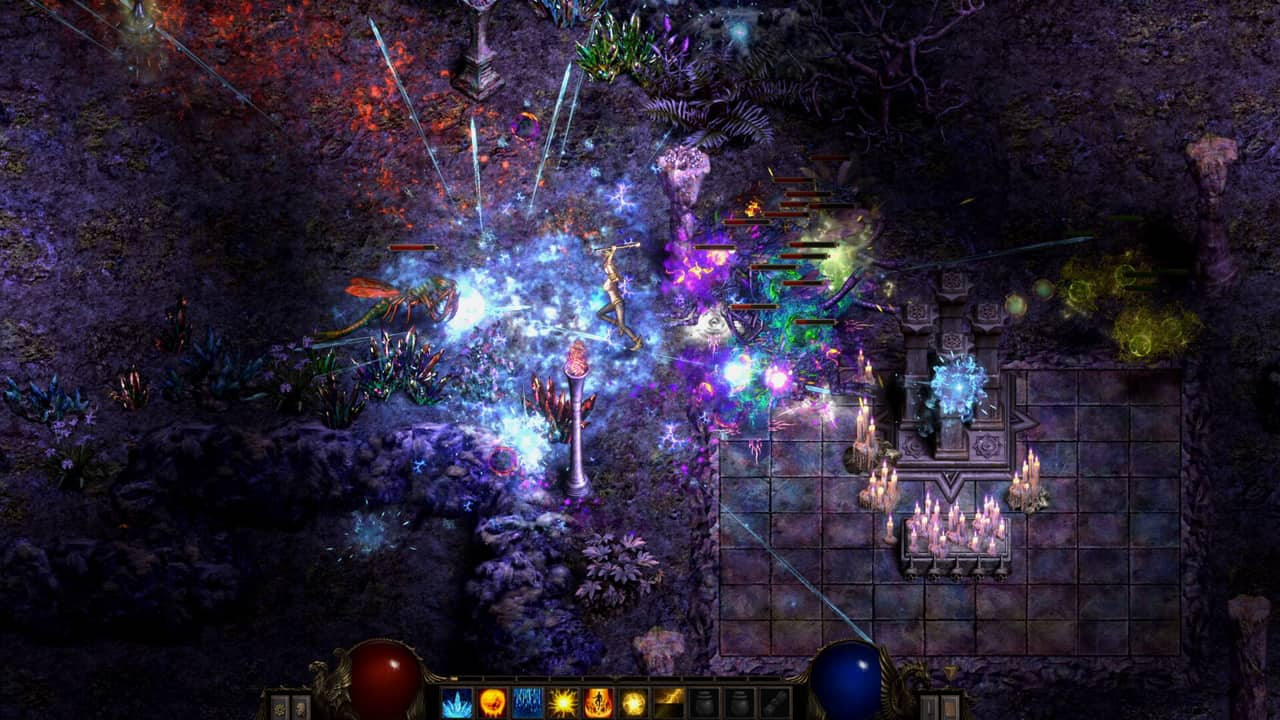
Use This Loot Check After Every Run
A useful drop should improve the build's loop before it earns warehouse space. Compare items against the damage method, skill interaction, and survival need you are already building around. Rarity can help you decide what to inspect first, but it cannot replace that fit check.
| Before comparing | The question to answer | Ready state |
|---|---|---|
| Main damage loop | Which attack, spell, summon, or triggered effect is carrying the build? | You can name one effect the new item should strengthen |
| Survival loop | Are you staying safe through range, movement, defensive effects, or summons? | You know which defensive benefit must not be lost |
| Current uncertainty | Is this a real upgrade, a future build piece, or simple surplus? | You are willing to choose equip, store, sell, or salvage |
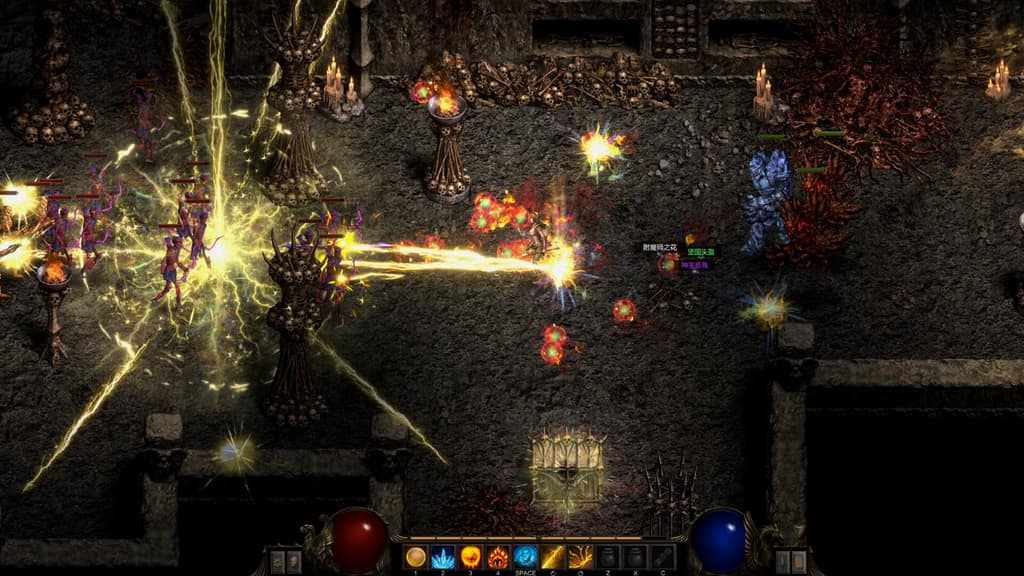
Shadow Dungeon has 3,200 base templates, more than 1,000 weapon affixes, 2,400 weapon-granted skills, and a large semi-random item pool. The volume makes a consistent filter more useful than trying to memorize every possible combination.
Compare Two Drops in Six Steps
- Compare the base template and intended use first. If one base clearly fits the build's main attack method and the other does not, keep the aligned base in front.
- Read every affix as a role. Separate basic benefits, special effects, negative effects, skills, and summoning skills before comparing the total package.
- Check any additional, granted, or triggered skill against the current talent plan. A useful interaction can matter more than a modest raw-stat increase.
- Check whether the item belongs to a set or changes a skill's form. Most sets include a skill-changing affix, so this can alter the build rather than simply raise a number.
- Check socket potential after the base and current effects pass. A socket is a reason to preserve a strong candidate, not a reason to rescue an unrelated item.
- Assign one result immediately: equip, store, sell, or salvage. Do not leave the comparison unresolved in the active inventory.
Progress check: you should be able to explain the winner in one sentence. A good explanation names the base, the build-aligned effect, and any skill or socket consequence. If the explanation only says that one item has a larger number, repeat steps two through five.
When neither item changes the build's skill loop, use the stronger aligned base. When one item grants or reshapes an important skill, keep that item in the comparison even if its first raw number looks lower.
Signals That Make an Item Worth Keeping
| Signal | Why it matters | Keep rule |
|---|---|---|
| Build-aligned Basic or Special affix | Reinforces the damage or survival loop already in use | Keep when the benefit supports the main loop without a harmful tradeoff |
| Skill or Summoning Skill affix | Adds an effect that can interact with talents | Keep when the granted effect has a clear place in the build |
| Triggered skill that fits the loop | Adds damage or utility without replacing the core action | Keep when its trigger and effect reinforce what the build already does |
| Skill-changing set effect | Can change the form of a skill rather than only its raw value | Store the piece while deciding whether the set completes a useful direction |
| Strong base with socket potential | Preserves room for a later improvement layer | Keep when the base and present effects already justify investment |
| Unrelated effect or harmful tradeoff | Consumes space without advancing the chosen loop | Sell or salvage unless it belongs to a clearly planned alternate build |
Socket management exists in the full release, and Greater Rifts can provide Socketing Stones. That makes sockets a meaningful later layer. It does not make every socket candidate worth hoarding. Require a suitable base and current effect package first.
Store, Sell, or Salvage
| Destination | Use it when... | What it solves |
|---|---|---|
| Equip | The item improves the current base, skill loop, or survival plan now | Advances the active build immediately |
| Store | A set effect, granted skill, or strong socket candidate may support a planned build | Preserves uncertainty without crowding the active inventory |
| Sell | The item is temporary surplus and manual gold conversion is the current priority | Clears space while producing gold during cleanup |
| Salvage | The item clearly fails the base, effect, and future-build checks | Lets a Treasure Sprite convert unwanted equipment directly into gold |
The warehouse has unlimited pages, so uncertainty has a safe destination. Store build-defining set pieces and skill items when you need more context. Inventory pages also unlock through quests, which expands carrying space over time without changing the need for a clear keep rule.
Treasure Sprites collect equipment, can reach drops outside walls, and can directly salvage unwanted equipment into gold. Set the keep decision first, then let the Sprite handle obvious misses. Each Sprite has its own effect, so the selected Sprite can matter beyond collection.
Fix Inventory Pressure Before the Next Map
| Symptom | Likely cause | Next check |
|---|---|---|
| You reread the same pair of items repeatedly | The build has no declared main loop | Name the one damage or skill interaction the item must support, then restart the six-step check |
| The active inventory is full of possible future pieces | Uncertainty is occupying field space | Move set, skill, and strong socket candidates to unlimited warehouse pages |
| Every socket item feels too valuable to discard | Socket potential is being judged before base fit | Reject items whose base and present effects already miss the build |
| Loot cleanup interrupts every map | The keep rule is too broad | Preserve only build-changing or aligned candidates, then salvage obvious misses through the Treasure Sprite |
| A historical filter complaint still shapes your workflow | Older feedback is being treated as the current rule | Base the current cleanup loop on verified Sprite collection, salvage, quest inventory pages, and unlimited storage |
See the ordinary loot and inventory pressure in context
This current-version play session shows frequent drops, repeated stat checks, and the inventory sorting friction that a fixed comparison order is designed to reduce.
The video above demonstrates the volume and comparison friction. It does not establish a universal best rarity, affix, or item, so use the six-step check and current build goal for each decision.
What This Loot Guide Can Safely Claim
The current official scope confirms the large template pool, five weapon-affix families, weapon-granted skills, class sets, socket management, Treasure Sprite salvage, quest-unlocked inventory pages, and unlimited warehouse pages. Those systems support a repeatable comparison and routing workflow.
The guide does not assign a permanent best rarity or one stat priority for every build. Item value changes with the active skill loop, set direction, and planned socket use. Historical inventory complaints explain why players want better filtering, while the current cleanup advice relies on verified release behavior. Keep the decision local: does this item improve the current loop, enable a planned loop, or consume space without doing either?
Was this helpful?
Continue reading
These related Shadow Dungeon pages answer the next questions around this topic.